The Sherwood Brand
& Communications

Rooted in Growth


The Sherwood Leaf

  • The leaf symbol represents being “rooted in growth,” and the role of learning for students and clients.
  • Inside the leaf you will find the letters S-A-C, which are the initials for Sherwood Autism Center. It also represents Students, Adults, and Community united for the mission
  • Each brand identity element — visuals, color palette, typography, layout, and more — was intentionally designed with autistic design research at the center. 

Middle school one shines bright sign with a shooting star

Growth Notes Newsletter

Our monthly Growth Notes newsletter features the latest from Sherwood Autism Center, a note from our CEO, autism resources, and much more. Sign up today! ⬇️

Recent Editions

Featured Experts

 Camille Proctor is Founder, Executive Director, Advocate, Public Speaker, Researcher, and Mom. Sherwood Autism Center sat down for a conversation during Black History Month. 

Visit The Color of Autism Foundation website >> 


Dr. Phan is a researcher, mother, and autistic advocate, who offered valuable insights and perspectives to our Sherwood community during Asian American and Native Hawaiian/Pacific Islander (AANHPI) Heritage Month and Mental Health Awareness Month. Read our full conversation here. 

Please share a bit of your story, and how your cultural background shaped your experience within the autism community.
I am an Asian American of Vietnamese descent autistic woman who was diagnosed later in life—after becoming a developmental scientist and a mother to autistic children. Growing up in a low-income refugee family in southern California and then in Louisiana, mental health and disabilities were topics we didn’t talk about because it is highly stigmatized. Like many second-generation AAPI children, I was raised with an emphasis on filial piety, acculturation, and assimilation. I masked my struggles and internalized stress, which was often misinterpreted as shyness or perfectionism. It wasn’t until I became a parent to children whose neurodivergence presented more externally—and began researching autism, stress, and mental health—that I truly recognized my own identity. My cultural background and upbringing taught me resilience, but it also delayed access to understanding and accepting my neurodivergence. Now, I work to bridge that gap for others in our community.

Connect with Dr. Phan: Website / Instagram

What are some common misconceptions or stigmas about autism within the AAPI community? 

There are deep-rooted stigmas about disability within many AAPI cultures, including beliefs that autism is a reflection of poor parenting, a personal failure, result of environmental causes, or something to be hidden. These misconceptions often stem from historical trauma, mis- and disinformation, limited access to culturally responsive education, and fear of social exclusion. Autism is also commonly misunderstood as a “boy’s disorder” or associated only with “severe impairments.” There is a strong social stigma of autism among our community towards girls and women. In some families, seeking services may be delayed because of language barriers, mistrust of systems, or pressure to prioritize academic success and work over behavioral or emotional needs. These beliefs can make it harder for autistic AAPI individuals and their families to seek support and thrive in society.
 

What would you tell other AAPI families navigating an autism diagnosis for the first time? 

You are not alone—and your child’s diagnosis is not a disease. It is a different way of experiencing the world, and there is strength in that difference. It’s okay to grieve, ask questions, and advocate fiercely. But remember: your child is the same person they were before the diagnosis. Reaching out for help is not a sign of weakness; it’s a powerful act of love and shows admirable strength. Surround yourself with people and professionals who see your child’s full humanity and don’t be afraid to bring your cultural values into the conversation. The road ahead may be unfamiliar, but it doesn’t have to be traveled in isolation.


How can organizations like Sherwood be better allies for AAPI voices in the broader autism acceptance movement worldwide? 
True allyship means actively creating space—not just offering it. Organizations like Sherwood can elevate AAPI voices by partnering with AAPI-led groups, funding culturally and linguistically inclusive outreach, and ensuring representation at every level of decision-making. This also means moving beyond single-month observances and integrating AAPI perspectives into year-round programming, research, and advocacy. Acknowledging the diversity within the AAPI umbrella—including differences in immigration history, language access, and disability experiences—is essential. Most importantly, allyship requires listening with humility and being willing to change policies, practices, and assumptions in response to what AAPI communities say they need.
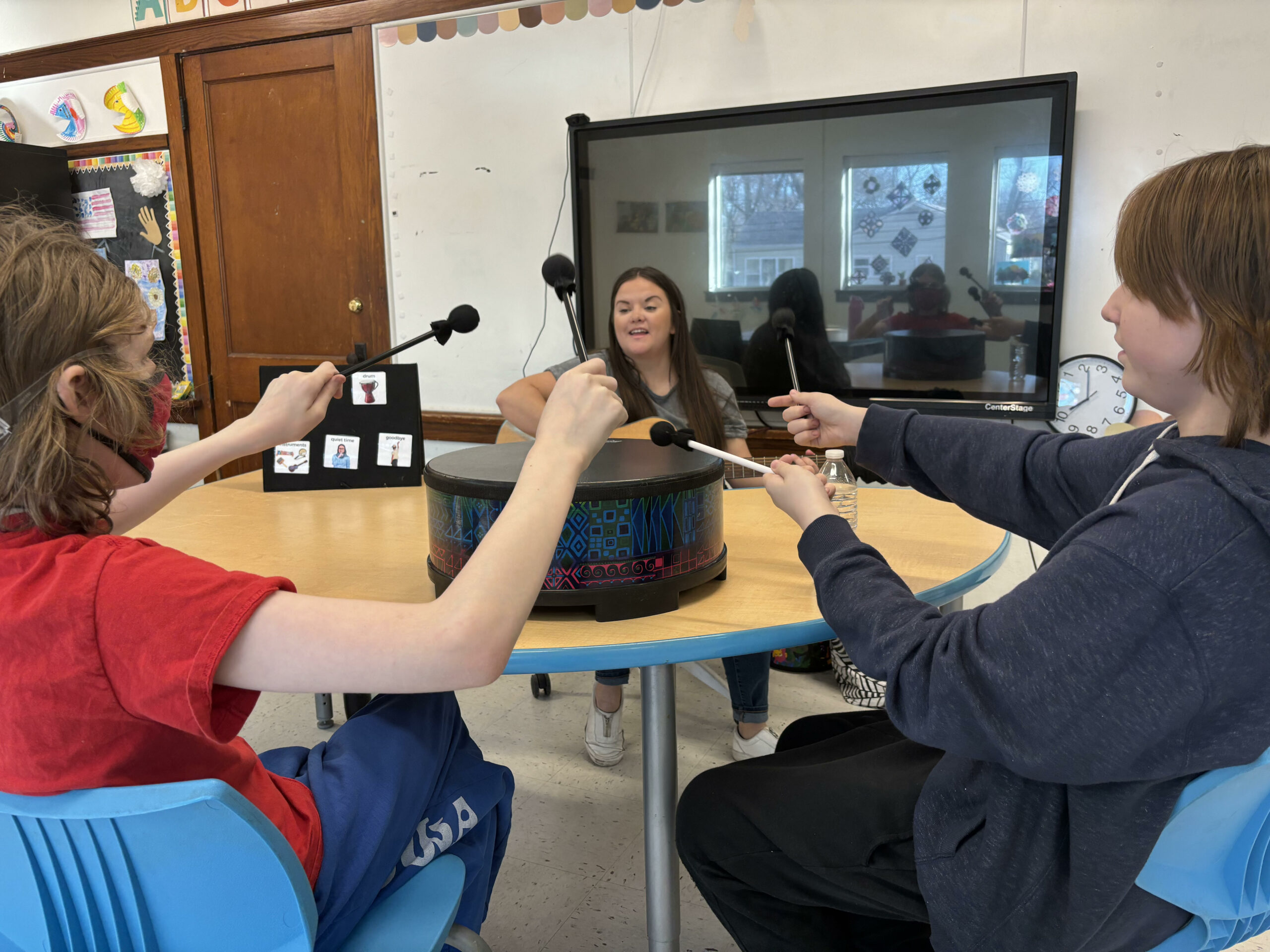
teacher with two students playing drum in music therapy

Enroll at Sherwood

Interested in enrolling your loved one in Sherwood Autism Center’s programs? We’re here to support your loved one across their lifespan.